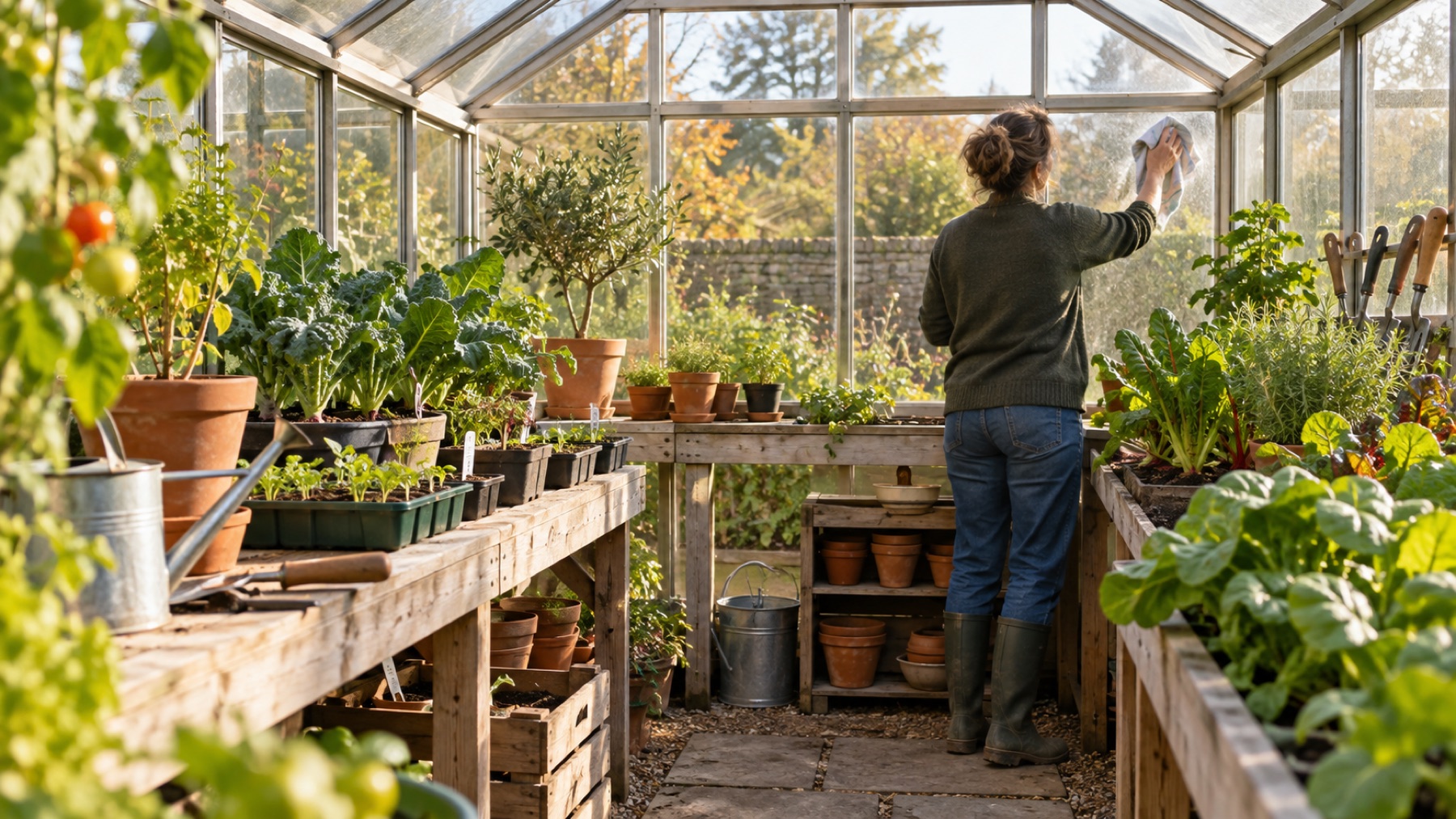
A greenhouse changes the conditions around a plant; it does not remove the need to match sowing time, temperature and light. In early spring, a sunny day can warm the air quickly while nights remain cold. In summer, ventilation and water can become the limiting factors. Autumn cleaning and winter planning complete the cycle.
Separate germination from growing on
Some seeds need controlled warmth to germinate, but new seedlings also need strong light and appropriate cooler conditions so growth remains sturdy. A thermostatically controlled propagator can warm a small zone more efficiently than heating a whole greenhouse. Always follow the seed packet and crop-specific guidance rather than applying one temperature to every tray.
Use the calendar as a framework, then adjust for region, exposure, greenhouse type and current weather. The north of Scotland and a sheltered southern city garden will not move through spring at the same pace.
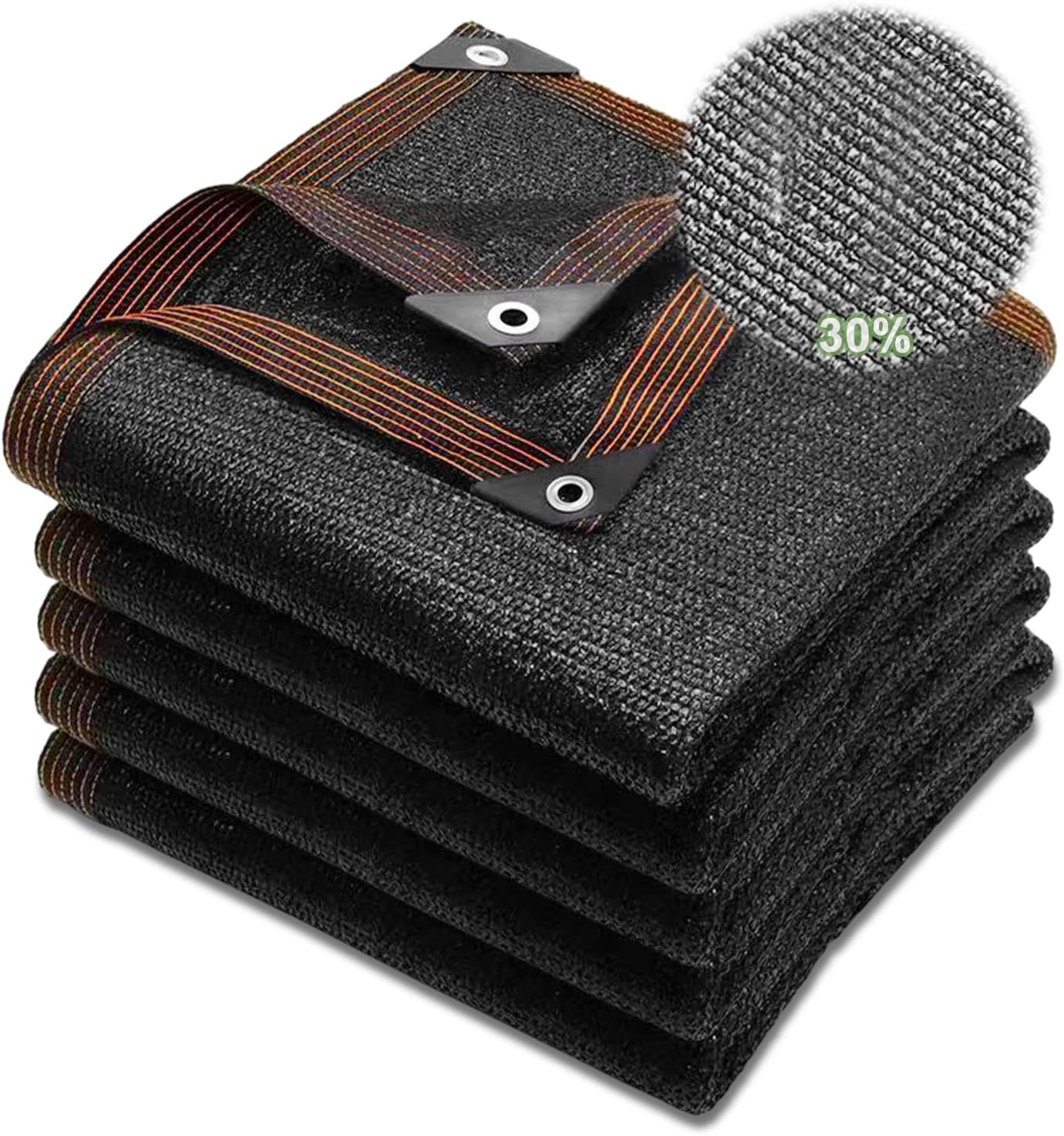
Reset a max/min thermometer after each visit and note the result for a week before changing several things at once. If plants are drying quickly, separate sun load from lack of water: shade changes leaf temperature, while a checked drip system changes water delivery. They solve different problems.
Plan a growing year around the space you have
Use the UK greenhouse calendar to see the sequence of sowing, growing, clearing and winter work. Then choose what to grow in a greenhouse according to mature size and how often you can visit. The RHS greenhouse-vegetable guide is useful background for planning the seasons and space.
Spring trays often move outdoors just as summer crops need the floor. Reserve that changeover in the plan rather than filling every square centimetre with seedlings. The propagation guide covers the zones, while starting seeds under glass helps you work backwards from safe growing-on conditions.
Give young plants a safe next step
For seedlings raised indoors, use when to move seedlings into a greenhouse before treating a warm afternoon as proof that nights are suitable. If the plants stretch, investigate leggy seedlings. If seedlings collapse near the compost surface, read damping off rather than simply increasing water.
Plants destined for the garden need hardening off. A greenhouse protects them from some outdoor conditions, so moving them directly into sun and wind can undo several weeks of careful propagation. Introduce exposure gradually and keep an appropriate cold-weather backup.
Choose summer crops and a manageable root zone
Our crop guides cover greenhouse tomatoes, cucumbers and peppers and chillies. Use each crop's training and watering needs instead of treating all fruiting plants alike. Compare growbags with greenhouse borders before settling the layout, and follow watering by plant need as demand changes.
For autumn and winter, distinguish winter crops from overwintering potted plants. One aims for a harvest; the other may aim only to keep a suitable plant alive until spring. Light and each plant's tolerance decide the realistic outcome.
Inspect first when growth goes wrong
The greenhouse-pest guide helps separate flying insects, leaf damage and mites. Check the specific guides for aphids, whitefly, red spider mites and fungus gnats, or use the slug and snail guide for missing young plants. For confirmed pests, biological controls require the right organism, timing and conditions—not just a general wish to avoid sprays.